Arthroscopic Surgery in Nairobi: Safe, Affordable, and Quick Recovery
Read MoreI remember a badminton playing patient of mine coming to me with knee pain like never before.”, recalls Dr Ankit Dave — one of the best doctors for arthroscopy surgery in Nairobi. “He was limping off the badminton court, frustrated and a little scared. With sharp pains every time he pivoted followed by a constant dull ache when he walked; his knee just wouldn’t cooperate anymore. To him, it felt like his active life was slipping away.”
If you’re facing something similar and your doctors have suggested arthroscopic surgery, you’re probably wondering how it’s going to affect your life — especially if you’re someone who likes to stay active. Let’s break it down, so you know exactly what to expect.
What Arthroscopic Knee Surgery Actually Involves
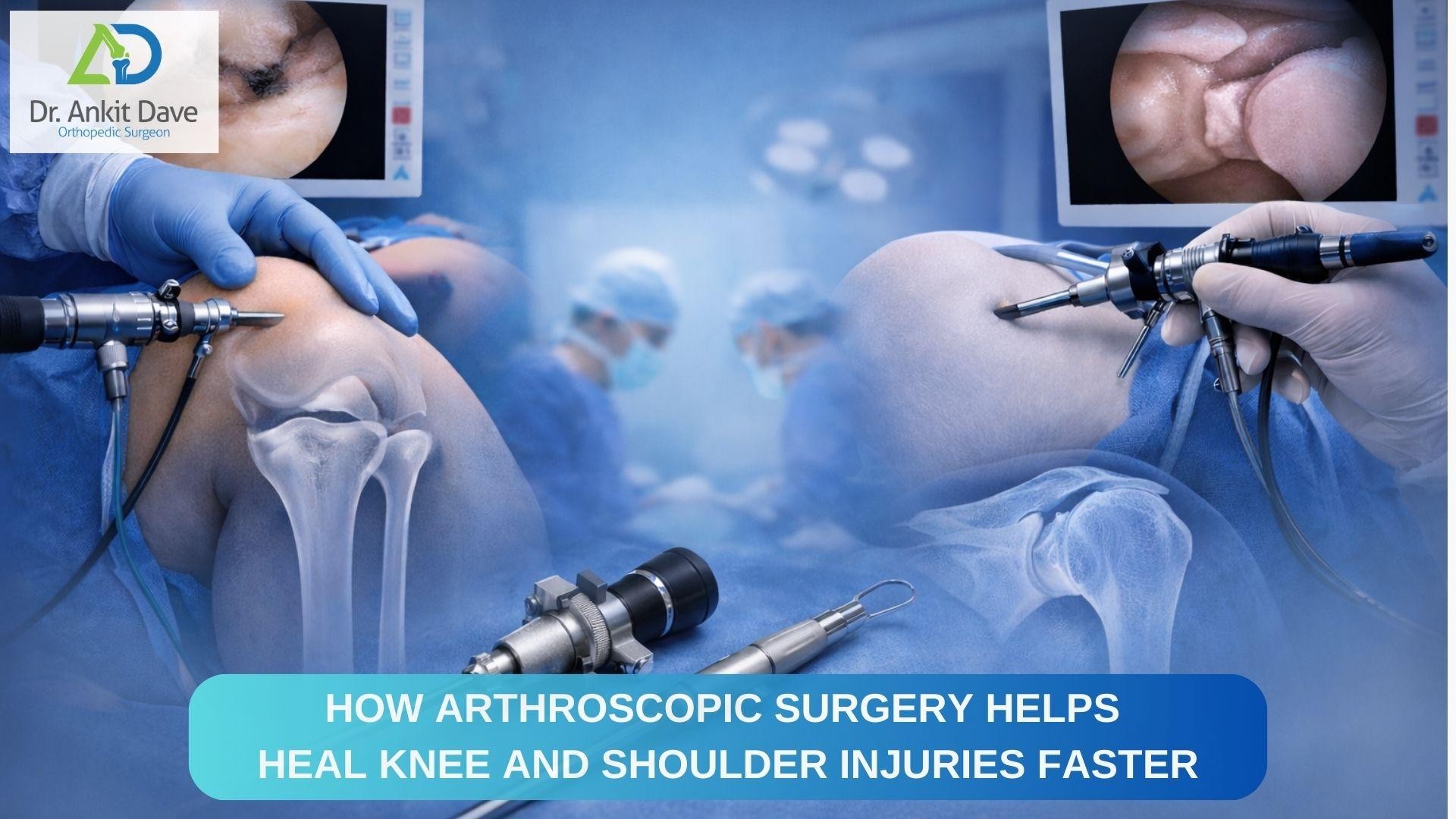
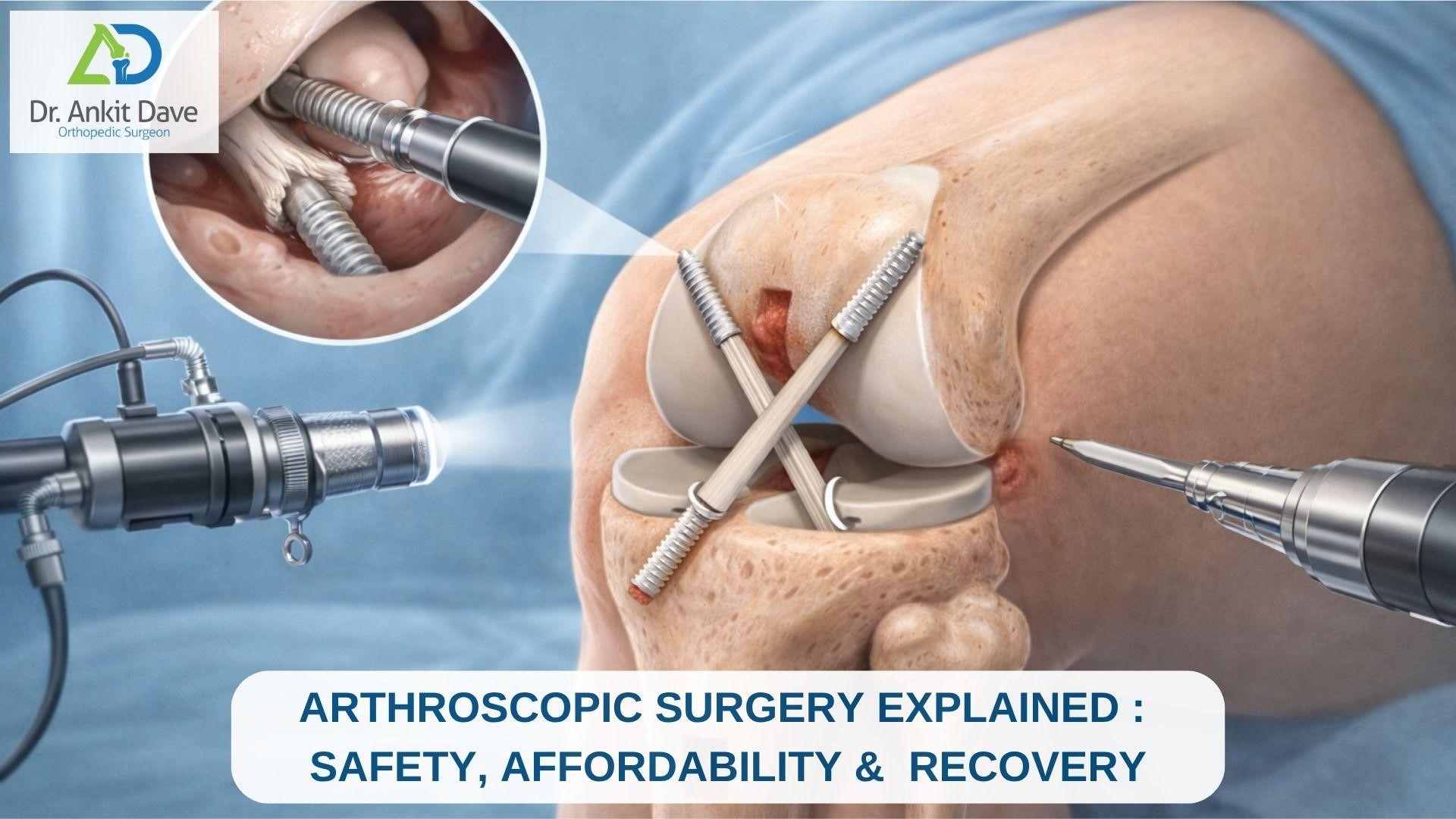
Arthroscopic surgery is a minimally invasive procedure. Instead of making a big incision, your surgeon makes a few tiny cuts and uses a small camera (an arthroscope) to see inside your knee. They can repair things like torn meniscus cartilage, remove loose fragments, smooth rough cartilage, or even trim a torn ACL.
The good news? Because the incisions are so small, there’s usually less pain and a faster recovery compared to traditional open surgery. But it’s still surgery, say some of the best orthopaedic surgeons in Nairobi, and it still needs attention for a full recovery.
How It Can Help You Get Back to an Active Life
The main goal of arthroscopic knee surgery is to get you moving without pain. Whether you love running, hiking, biking, or playing sports, surgery often helps by:
● Reducing chronic pain
● Improving stability
● Restoring full range of motion
● Allowing you to move without that “catching” or “locking” feeling
For many people, it’s a game changer. You might find you can go back to activities that had become too painful or risky before surgery.
The Recovery Process: What You Need to Know
Recovery isn’t instant. You’ll need to give your body time to heal properly.
● Right after surgery: You’ll probably be weight-bearing right away but might need crutches for a few days.
● First few weeks: Swelling and stiffness are normal. Ice and elevation will be your best friends.
● Physical therapy: This isn’t optional. A structured rehab program is crucial. Your therapist will guide you through exercises to rebuild strength, balance, and flexibility.
● Full return to sports: Depending on what kind of sports activity you want to pursue, it could take anywhere from 4 weeks to 6 months. A simple meniscus trim? Maybe a month. Major ligament work? Plan for longer.
Challenges You Might Face
It’s important to set real expectations. Some people bounce back fast, but others find that their knees don’t feel quite the same, especially with high-impact activities like running or jumping.
You might deal with:
● Residual stiffness
● Occasional swelling after heavy use
● A “new normal” in terms of what your knee can handle
But with patience and the right rehab, most active people find they can do nearly everything they love again, shares Dr Ankit Dave, known as one of the best doctor for arthroscopy surgery in Nairobi.
Tips to Maximize Your Recovery
● Follow your PT plan religiously: Skipping exercises slows your progress.
● Don’t rush: Trying to “tough it out” or return to sports too soon is a shortcut to re-injury.
● Stay consistent: Recovery is a daily effort, not just something you do when you feel like it.
● Cross-train: Swimming, biking, and low-impact strength work can keep you fit while your knee fully heals.
When Things Don’t Go as Planned
Sometimes, despite doing everything right, your knee may not recover 100%. Chronic pain, stiffness, or instability can still happen, especially if there was significant damage before surgery. In those cases, more advanced treatments or surgeries might be needed down the line.
The Bottom Line
Arthroscopic knee surgery can absolutely help you return to an active lifestyle, but it’s not a magic fix. It’s a tool — one that works best when paired with hard work, patience, and smart training.
If you’re considering the surgery, talk honestly with your surgeon about your goals. Let them know you’re not just looking to walk around — you want to get back to running marathons, hitting the trails, or whatever moves you. That way, your rehab plan can be tailored to what matters most to you.
Your active life isn’t over because of a knee injury. With the right approach and the best orthropaedic surgeon in Nairobi helping you through, it might just be getting started again — stronger than ever.