
Knee Replacement Age: Is 45, 50, or 60 Too Early or Too Late?
Read MoreIf you’ve ever torn a ligament or twisted your shoulder in a way that made you wince for days, you probably know how frustrating joint injuries can be. Pain is one thing but the long recovery time, the swelling, the awkward brace, the feeling that you can’t move like yourself anymore, that’s the part that really gets to people.
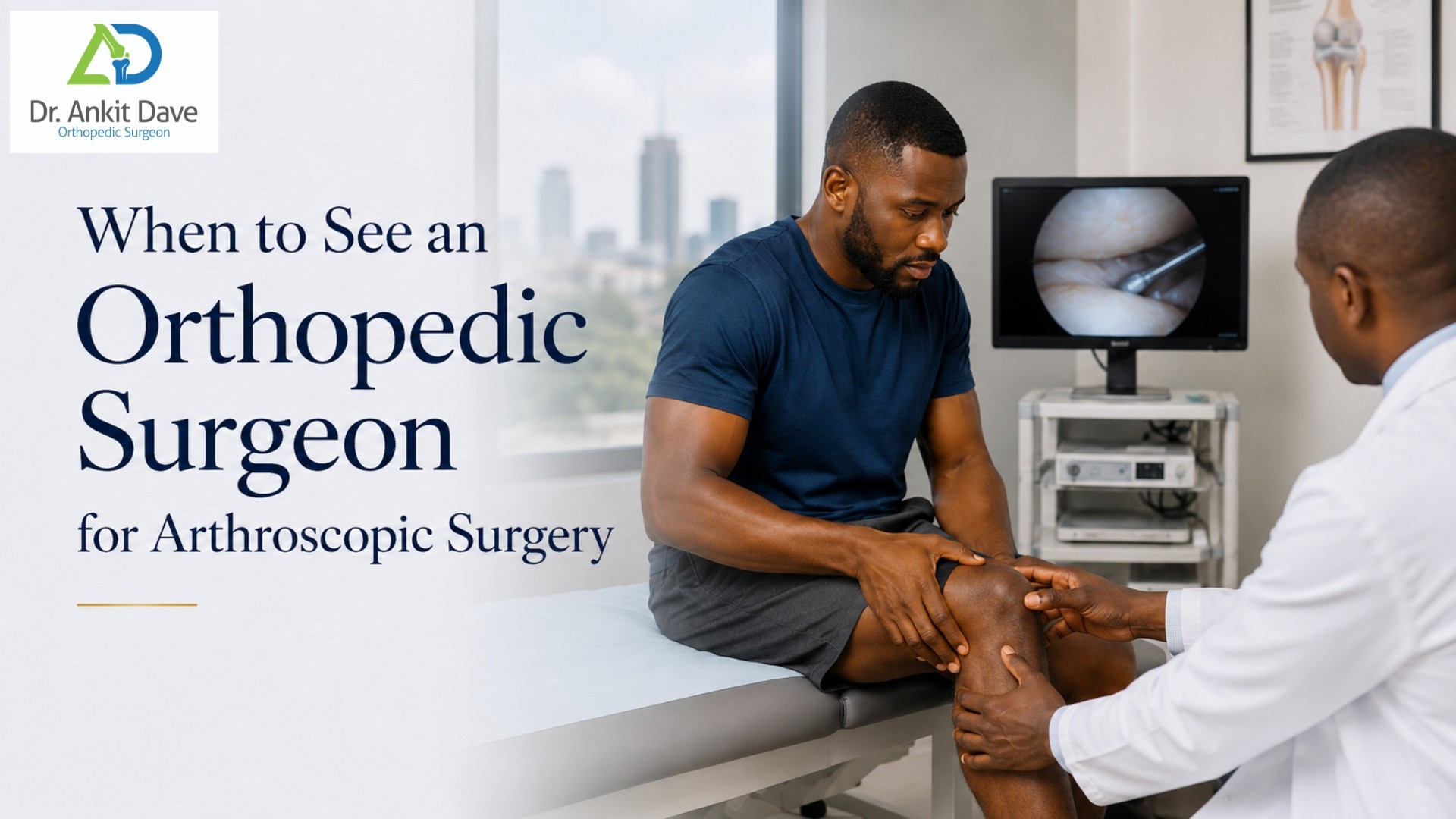
That’s where consulting the best orthopaedic surgeon in Nairobi and understanding arthroscopic surgery helps. It’s one of those medical advancements that sounds almost too good to be true. Smaller cuts, quicker recovery, fewer scars. But it’s real, and it’s changing how doctors treat knee and shoulder injuries every day.
What Arthroscopic Surgery Actually Is
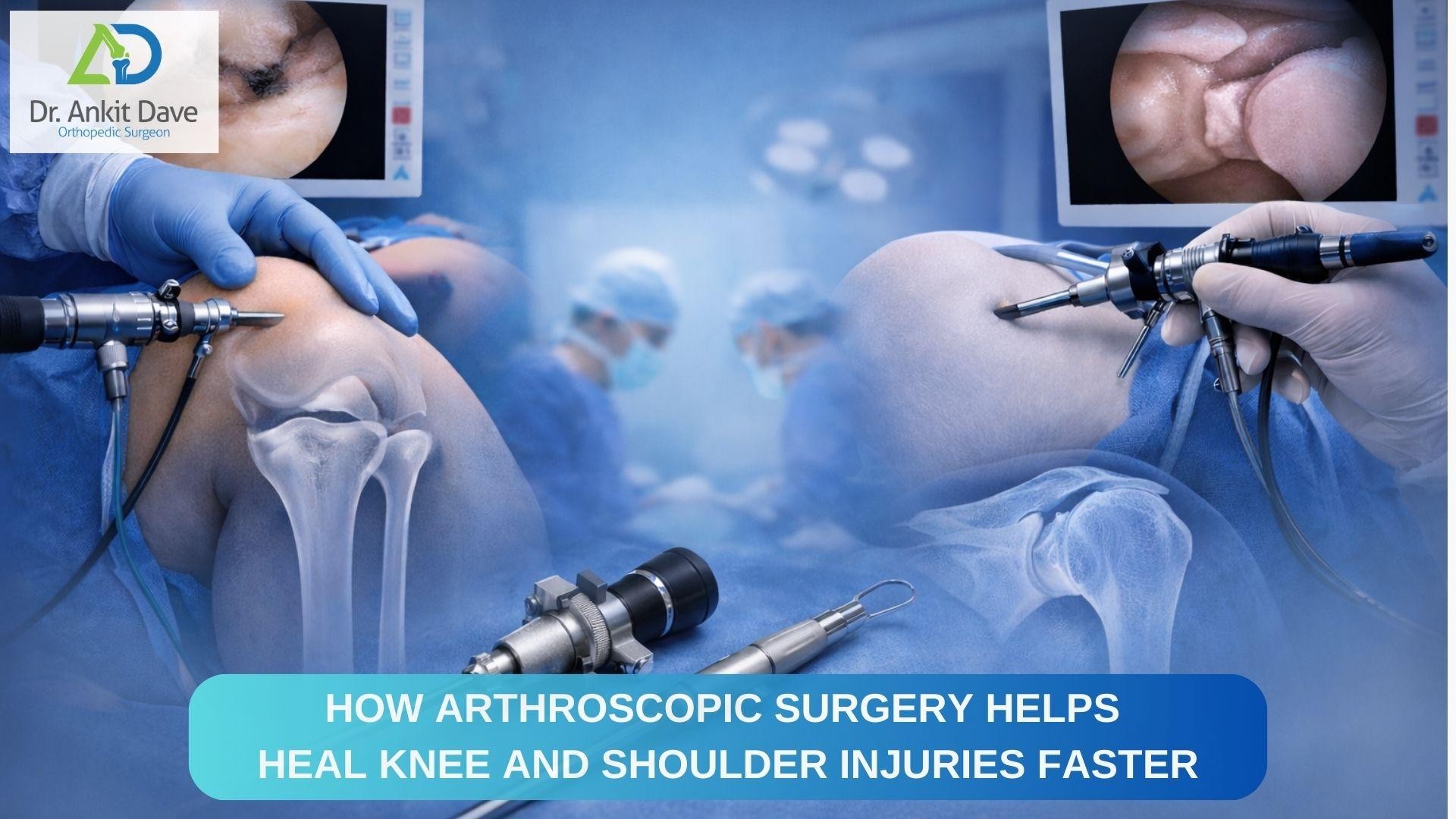
Arthroscopy literally means “to look inside the joint.” During the procedure, a surgeon inserts a tiny camera (called an arthroscope) through a small incision, along with a few thin surgical tools through other small openings. The camera projects what’s happening inside your joint onto a monitor, giving the surgeon a close-up view without needing to open up the entire area.
So instead of the old-school, large incisions used in traditional surgery, arthroscopy keeps things minimal. It’s like fixing something through a keyhole instead of tearing the whole door down.
Why It’s a Game-Changer for Knees and Shoulders
Knees and shoulders are complicated. They move in multiple directions and rely on several tiny structures like tendons, ligaments, cartilage, all working together. When something tears or wears down, it doesn’t just hurt; it affects balance, flexibility, and daily movement.
Arthroscopic surgery helps because it’s precise. The surgeon can repair or remove only what’s damaged, leaving everything else untouched. That level of accuracy means less trauma to surrounding tissue and a much faster recovery.
Some of the best doctors for arthroscopic surgery in Nairobi, like Dr Ankit Dave, find it especially effective for conditions like meniscus tears, ACL reconstruction, rotator cuff injuries, and labral tears in the shoulder. In fact, athletes often prefer arthroscopy because it gets them back to training sooner. But it’s not just for athletes, even people who just want to walk up stairs without pain benefit from it.
Recovery That Doesn’t Feel Like Forever
The biggest difference most patients notice is that recovery feels shorter and smoother. With smaller incisions, there’s less bleeding and swelling. Physical therapy can often start sooner, which keeps the muscles from stiffening up. And that early movement helps restore function faster.
That doesn’t mean you’re jogging two weeks later, of course. Every case is different. But compared to open surgery, arthroscopy usually means you’re walking without crutches or regaining shoulder mobility weeks earlier.
Dr Ankit Dave, one of the best orthopaedic surgeons in Nairobi, shares, “Patients tend to experience less post-surgery pain. Some describe it as soreness rather than the deep ache that comes with bigger surgical wounds. A few even say the hardest part was reminding themselves not to rush recovery just because they felt better too soon.”
Fewer Scars, Lower Risk
Cosmetic reasons aside, smaller incisions are a big win for your body. Less tissue damage means lower risk of infection and fewer complications like stiffness or excessive scar tissue.
And since it’s typically an outpatient procedure, most people go home the same day. That alone reduces hospital-related risks and makes recovery more comfortable. There’s something reassuring about sleeping in your own bed after surgery, not under hospital lights.
The Realistic Side of It
Now, it’s not magic. Arthroscopy still involves real surgery, anesthesia, and recovery. It’s not suitable for every injury either. Some severe or complex cases still need open surgery for full access to the joint.
And yes, it still requires discipline afterward. You’ll need to rest, follow your physiotherapist’s plan, and resist the urge to test your limits too soon. Healing faster doesn’t mean skipping the healing part.
But compared to older methods, the difference in downtime and discomfort is noticeable. It’s the kind of progress that makes you quietly thankful for modern medicine.
A Step Toward Moving Freely Again
At its core, arthroscopic surgery is about restoring movement with the least disruption. For someone who’s been limping around or nursing a stiff shoulder for months, seeking the help of experts like Dr Ankit Dave, considered as one of the best doctors for arthroscopic surgery in Nairobi, is the first step.
When your knee bends without pain again or you can finally lift your arm above your head, you realize how much you took those motions for granted.
So if your doctor suggests arthroscopy, it’s worth listening to. It might not be the flashiest operation, but it’s one that puts you back on your feet faster, with less pain and fewer scars to remind you of what happened.