
When to See an Orthopedic Surgeon for Arthroscopic Surgery in Nairobi
Read MoreSomewhere around 40, a funny thing happens. You start noticing your knees. Maybe it’s when you squat to pick up something and feel that tiny crunching sound. Or when you climb stairs and your knees protest like they weren’t invited. It’s not necessarily pain, just… awareness. Your knees used to move without a thought, and suddenly, you’re thinking about them.
The truth is our knees are incredible. They’ve been carrying us for decades, through sports, jobs, dancing at weddings, and running after kids or deadlines. But time and wear catch up. The good news? You can still keep them strong and pain-free if you follow these tips from one of the best knee replacement surgeons in Nairobi, Dr Ankit Dave.
1. Don’t Stop Moving
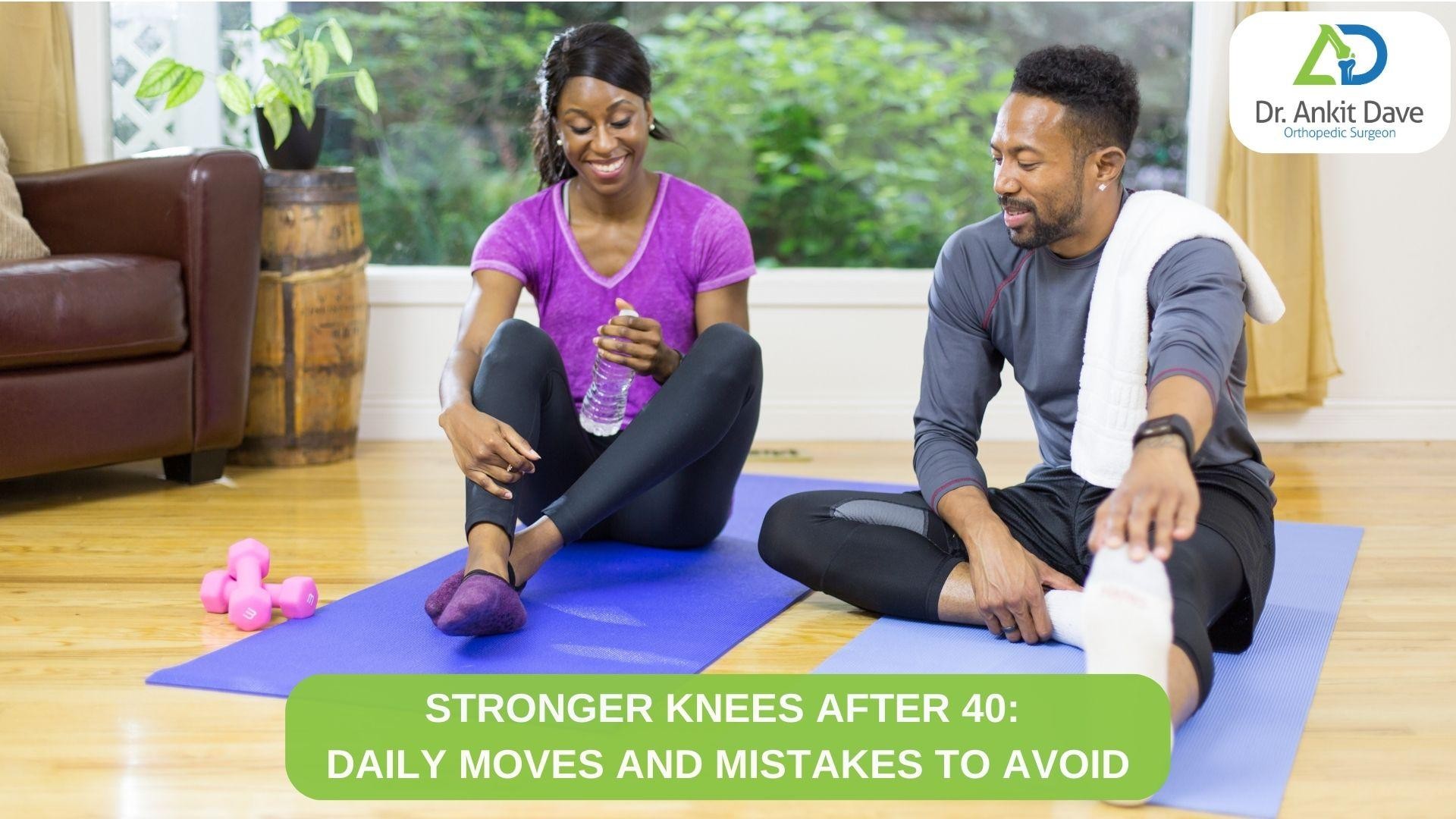
One of the biggest mistakes people make after 40 is slowing down too much. Sure, rest matters, but too much of it makes your muscles weaker, which actually puts more stress on your knees. Think of movement as oil for your joints.
Walking, swimming, cycling, even yoga…anything that keeps your joints active helps maintain strength and flexibility. If running feels rough, switch to low-impact workouts. You don’t have to give up movement, just pick smarter ones.
Here’s a little trick: go for a short walk after sitting for a long time. You’ll feel your knees loosen up.
2. Strengthen the Muscles Around Your Knees
Being one of the best orthopaedic surgeons in Nairobi, Dr Ankit Dave, explains, “Your knees don’t work alone. They rely on your thighs, hips, and calves to share the load. Weak muscles mean your knees do all the heavy lifting, and that’s when trouble starts.”
You don’t need fancy gym equipment. Simple exercises like squats, leg raises, and step-ups help more than you’d think. Focus on form, not how many reps you do. If your knees ache during exercise, it usually means your alignment’s off or you’re pushing too hard.
Also, don’t forget balance exercises. A few minutes of standing on one foot or gentle lunges can improve stability. It’s the kind of thing that pays off quietly, you don’t notice until you realize you haven’t stumbled in months.
3. Watch Your Weight, But Don’t Obsess
Extra weight adds pressure on your knees, that’s a fact. But dieting too aggressively can also weaken your muscles and bones. What your knees really want is a steady, healthy balance.
Focus on staying active and eating real food. Plenty of vegetables, enough protein, not too much processed stuff. Your knees don’t care about the number on the scale; they care about the support structure around them.
4. Stretch (Even if You Hate It)
Stretching might sound boring, but stiffness is one of the sneakiest knee and even hip problems as you age according to some of the best hip replacement surgeons in Nairobi. Tight hamstrings or calves pull on your knee joint and make it feel sore or unsteady.
Try a few gentle stretches after your workouts or even while watching TV. The goal isn’t to touch your toes like a gymnast, just to keep your legs loose and flexible. A few minutes, done regularly, can change how your knees feel all day.
5. Choose the Right Shoes
This one’s underrated. Your shoes affect how your knees absorb shock. Worn-out sneakers or heels that throw your posture off can do a lot of damage over time.
If you walk or run often, replace your shoes every 6 to 12 months. And if your knees have been acting up, try supportive soles or insoles. Sometimes that small adjustment fixes what felt like a chronic issue.
6. Don’t Ignore Pain
Pain is your body’s signal, not a challenge to push through. If your knees hurt every time you go downstairs, something’s off. Don’t assume it’s just “getting older.” A physical therapist can help you identify what’s wrong before it turns into a bigger problem.
You might discover it’s tight hips or weak glutes, not the knees themselves. Our bodies are connected in weird ways. Fix one small thing and everything else starts working better too.
7. Be Kind to Your Knees
If there’s one thing to remember, it’s this: your knees have served you well. Treat them kindly. Warm up before workouts. Take breaks from sitting too long. If you’re on your feet all day, elevate them for a few minutes at night.
You don’t have to live in fear of aging joints. You just have to pay attention. Knees aren’t fragile, they’re just honest. When they start complaining, it’s your cue to adjust.
So stretch, move, rest, repeat. And the next time your knees creak a little, smile. They’ve earned it.