
Hip Fracture in Older Adults: When You Need the Best Hip Replacement Surgeon in Nairobi
Read MoreFrozen shoulder generally responds well to appropriate non-surgical treatment and surgery is not the first option for most patients. I am an orthopaedic surgeon practicing in Nairobi and one of the things I often tell patients is when you have pain and stiffness in your shoulder for a few weeks, movement becomes more restricted, or it becomes difficult to carry out your routine activities such as dressing, reaching over your head or sleeping comfortably you should see a specialist. The initial assessment can confirm the diagnosis of frozen shoulder, rule out other causes of shoulder pain and direct to the appropriate treatment based on the severity and stage of the disease.
How Frozen Shoulder Usually Progresses?
Let me tell you that frozen shoulder, or adhesive capsulitis, often develops in stages. During the early “freezing” phase, pain tends to increase as movement gradually becomes more restricted. The “frozen” phase is usually marked by less pain but more stiffness. In the “thawing” phase, movement slowly begins to return.
The full course can take many months, and sometimes longer than a year. Treatment during the earlier stages usually focuses on controlling pain and preserving as much movement as possible. This may include anti-inflammatory medication, physiotherapy and, in selected cases, a steroid injection into the joint.
What “Not Improving” Actually Looks Like
A frozen shoulder that is truly stuck shows very little improvement over time. If range of motion has barely changed after four to six months of regular physiotherapy, or stiffness remains severe when some recovery would normally be expected, it may be worth reassessing the treatment plan.
That is different from a shoulder that is improving slowly. Even small gains in movement can mean the shoulder is still progressing, just not as quickly as the patient hoped.
One simple way to track this is to notice how far you can lift the arm overhead or reach behind your back every few weeks. If there is no meaningful change across two physiotherapy reviews, it is reasonable to ask whether the shoulder needs a fresh assessment rather than continuing the same approach indefinitely.
Diabetes Can Make Frozen Shoulder Harder To Treat
Frozen shoulder is more common in people with diabetes and can sometimes take longer to improve. It may also affect both shoulders, either at the same time or years apart.
That is why diabetes is worth mentioning early in the consultation, even if it does not seem directly related to the shoulder. Blood sugar control and the way the shoulder is responding to treatment can influence how the condition is managed and when other options are considered.
When Is Arthroscopy Considered For Frozen Shoulder?
If the shoulder remains severely restricted despite a proper course of physiotherapy and other treatments, such as a steroid injection, the doctor may start discussing procedures such as arthroscopic capsular release.
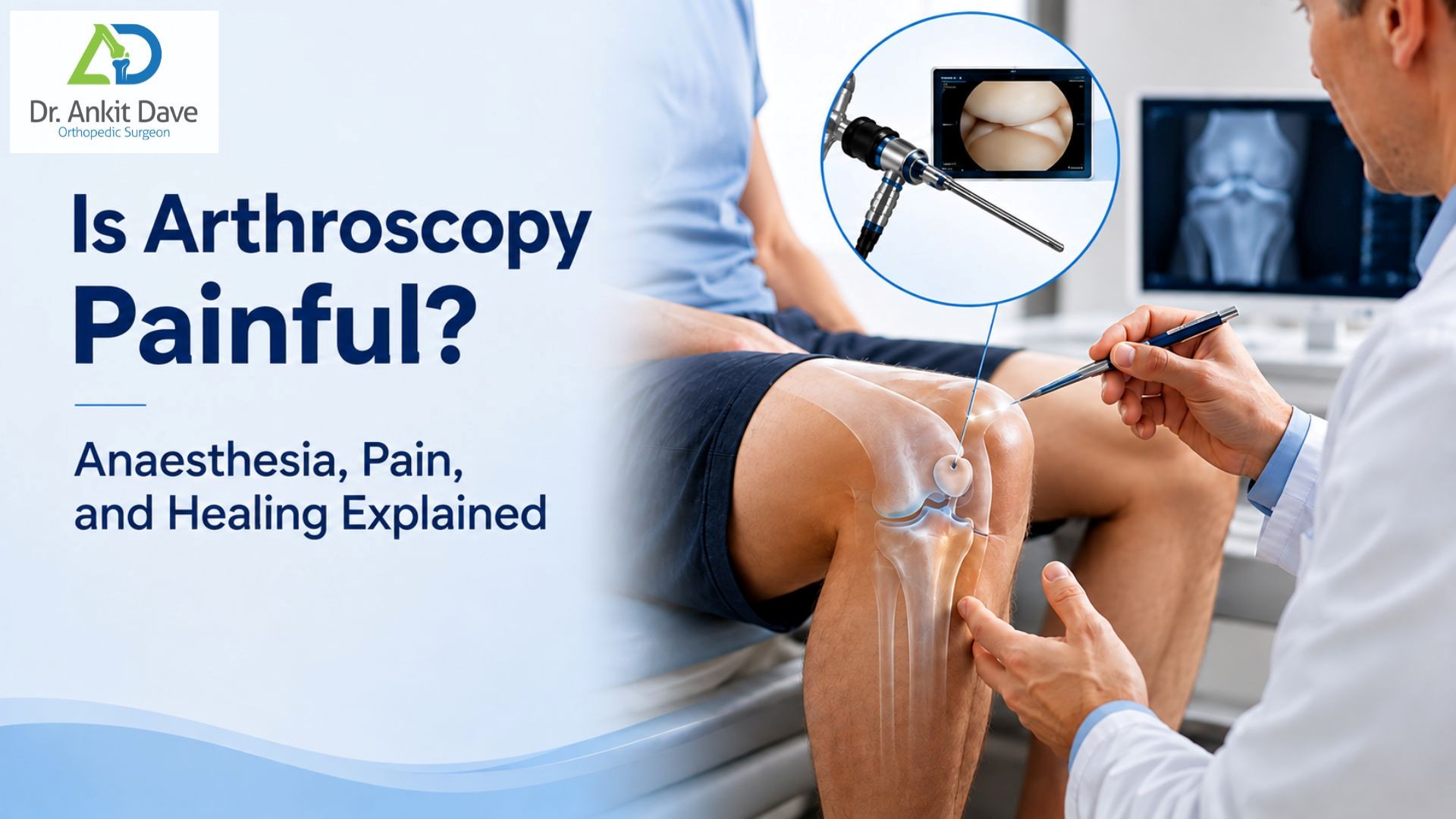
This is a keyhole procedure in which the tight joint capsule is released through small incisions to improve movement. In some cases, it may be combined with manipulation under anaesthesia.
Arthroscopy is not usually the first treatment for frozen shoulder. It is generally considered when pain and stiffness remain significant despite several months of appropriate non-surgical treatment and there has been little meaningful improvement in movement. At this stage, your doctor for arthroscopic surgery in Nairobi may discuss whether arthroscopy is an appropriate next step for you.
Recovery After Arthroscopic Release Of Your Frozen Shoulder
Physiotherapy resumes almost immediately after surgery, often the same day or the next, since maintaining the newly regained range of motion matters more than rest at this stage. In most patients, I have see a substantial improvement in movement within 6 to 8 weeks, though continued physiotherapy over several months is usually needed to fully restore strength and functional use of the arm, not just its range of motion.
When The Diagnosis Needs A Second Look
Not every stiff, painful shoulder is frozen shoulder. A rotator cuff tear, arthritis or an old injury can sometimes cause a similar loss of movement, but the treatment may be very different.
So if the shoulder has stopped improving despite proper physiotherapy, it makes sense to check the diagnosis again rather than simply repeat the same treatment. Pain that seems unusually severe for that stage of recovery is another reason to take a closer look.
At this point, themost experienced Orthopedic Surgeon in Nairobi should be able to tell whether the shoulder is still following the expected course of frozen shoulder or whether something else needs to be investigated.
Frequently Asked Questions
How long does frozen shoulder normally take to resolve?
Most cases resolve within 12 to 24 months across the freezing, frozen, and thawing phases, though the timeline varies depending on how early treatment started and whether conditions like diabetes are involved.
Does frozen shoulder always need surgery?
Usually not. Most people are treated without an operation, using physiotherapy, pain relief and sometimes a steroid injection. Surgery only comes into the conversation when the shoulder stays very stiff and everyday movement remains difficult despite months of treatment.
Why is frozen shoulder more common with diabetes?
Doctors do not have one complete explanation for this. Diabetes can affect connective tissues around the body, and the capsule around the shoulder may become thicker and tighter more easily. Frozen shoulder can also take longer to settle in people with diabetes.
What is arthroscopic capsular release?
It’s a keyhole procedure in which the tightened shoulder capsule is surgically released to restore movement, usually combined with manipulation under anaesthesia in the same session.
Can frozen shoulder come back after treatment?
Once a frozen shoulder has recovered, it usually does not come back in the same shoulder. It can, however, affect the other shoulder later on, and this seems to happen more often in people with diabetes.