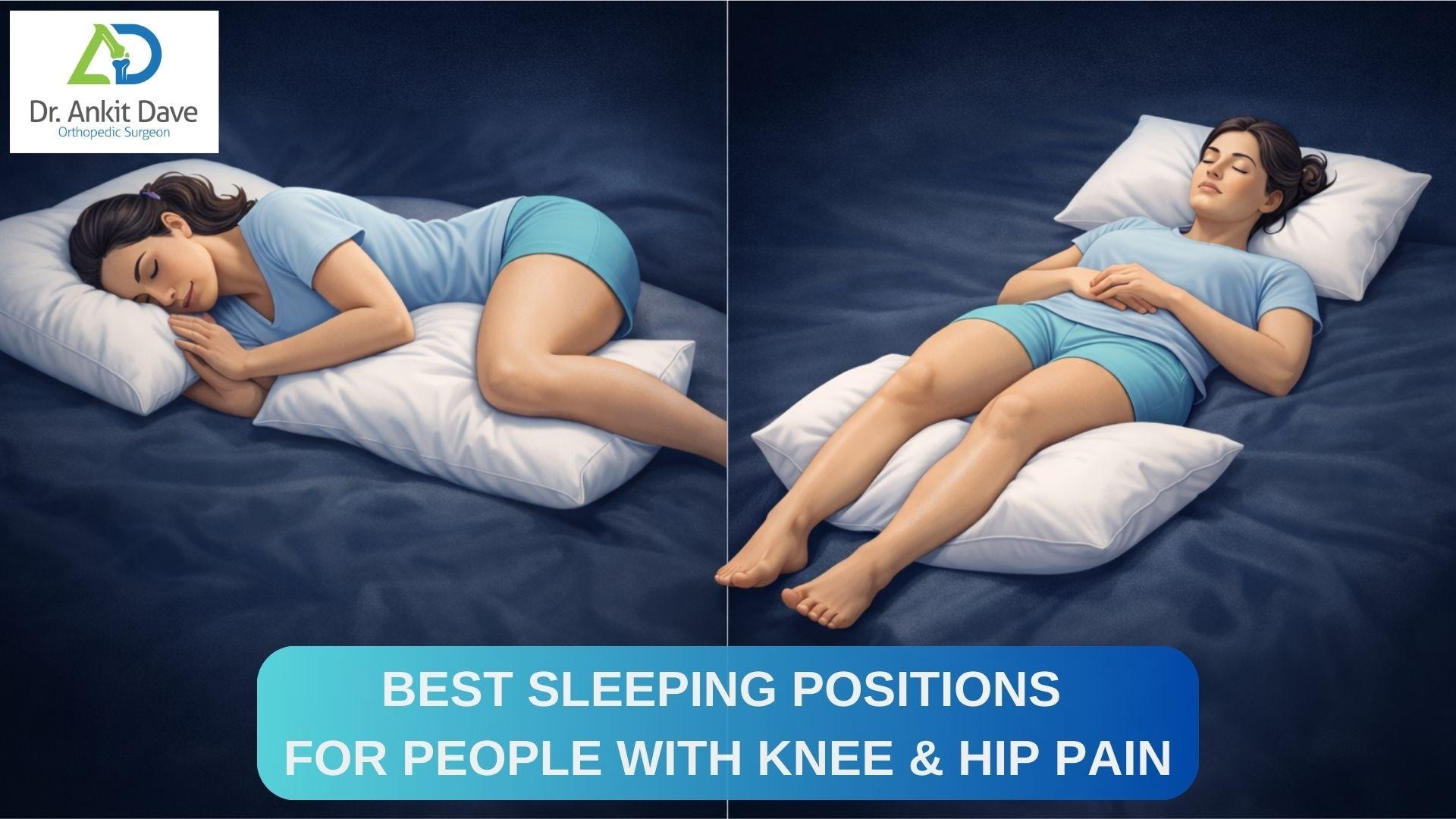
Best Sleeping Positions for People with Knee or Hip Pain
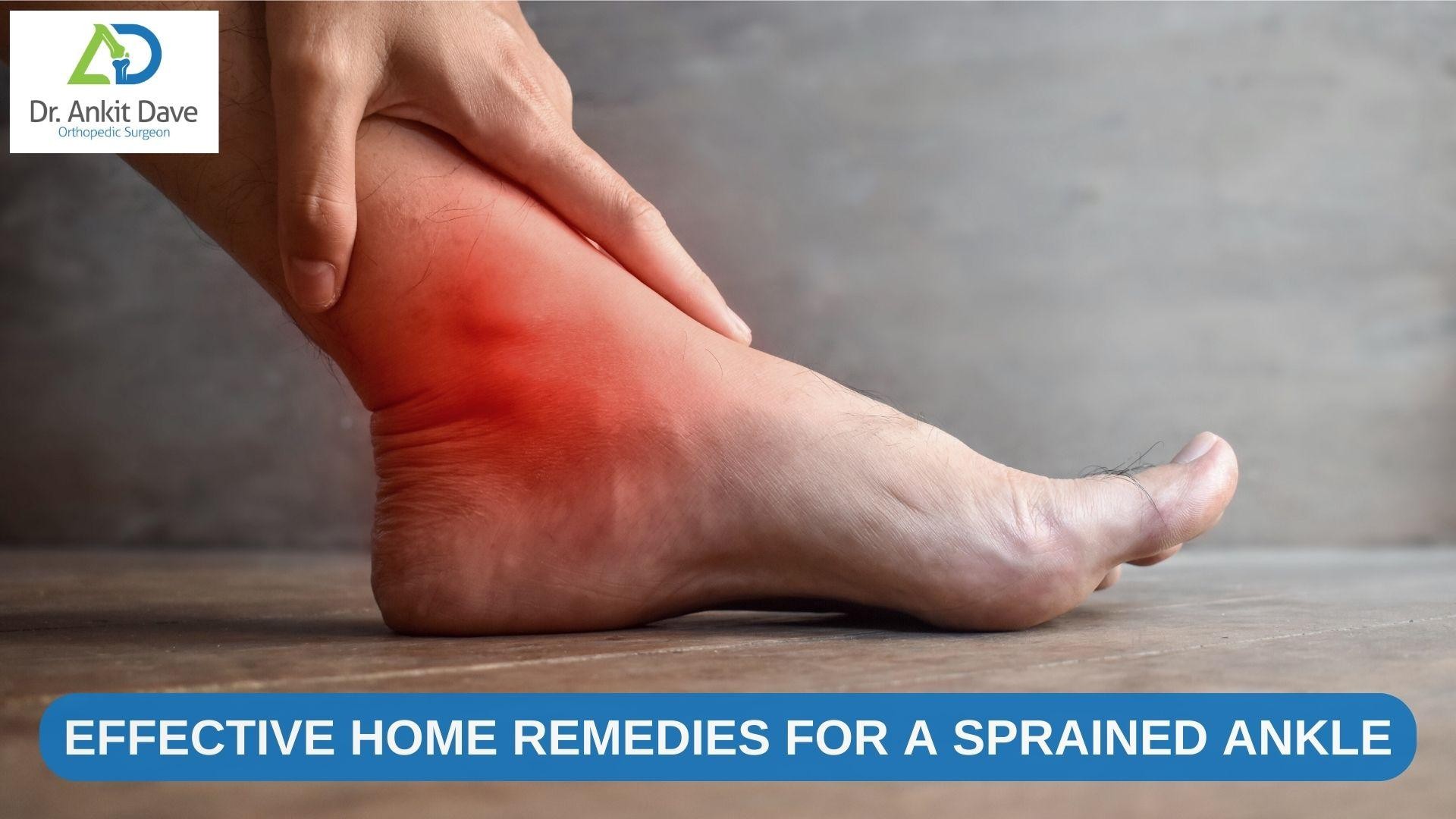
Read MoreIf you’re dealing with pain in the back of your heel or ankle, you’re probably wondering what’s going on. Two common culprits are Achilles tendonitis and arthritis, shares Dr Ankit Dave — one of the best orthopaedic surgeons in Nairobi. They can feel similar but are quite different. Knowing which one you have makes all the difference in how you treat it, and this blog will help you in figuring it out.
Let’s Talk About Achilles Tendonitis
Achilles tendonitis happens when the Achilles tendon — that thick band connecting your calf muscles to your heel bone — gets inflamed. It usually shows up if you’ve been more active than usual, are wearing the wrong shoes, or if your calf muscles are tight.
Here’s what you might notice if it’s Achilles tendonitis:
● Pain or stiffness along the tendon, especially first thing in the morning
● Swelling just above your heel
● Tenderness that gets worse when you’re active
● A feeling that the tendon is thickening over time
The pain typically sharpens when you move and eases when you rest.
Symptoms aren’t a match? Let’s check out the other culprit:
Arthritis
When it comes to arthritis in your ankle or heel, it’s a different story. Arthritis affects the joint itself, not just the tendon. It’s the cartilage and bone inside the joint that start to wear down or get inflamed.
Signs you might be dealing with arthritis include:
● Constant aching or burning pain around the ankle
● Swelling even when you’re resting
● Morning stiffness that sticks around for more than 30 minutes
● A grinding feeling when you move the joint
● Less flexibility in the ankle
Dr Ankit Dave — one of the best doctors for sports injury in Nairobi — says that unlike tendonitis, arthritis pain tends to get worse after you’ve been resting, not during activity.
How You Can Tell the Difference
● Where it Hurts: Achilles tendonitis is felt mainly at the back of the ankle. Arthritis pain is deeper inside the joint.
● When it Hurts: Tendonitis flares during activity. Arthritis hurts more after inactivity.
● How it Swells: Tendonitis swelling is focused along the tendon. Arthritis swelling spreads around the joint.
● How Stiff You Feel: Morning stiffness from arthritis usually lasts longer than what you’d experience with tendonitis.
Getting the Right Diagnosis
Your doctor will ask about your symptoms and do a physical exam. Imaging like an ultrasound, MRI, or X-rays can show whether it’s the tendon that’s damaged or if it’s the joint itself that’s the issue.
If It’s Achilles Tendonitis, Here’s What You Can Do
● Rest and Adjust Activities: Give that tendon a break. Cut back on activities that make it hurt.
● Ice It: Use ice packs for 15–20 minutes a few times a day.
● Stretch and Strengthen: Gentle calf stretches and specific exercises help the tendon heal.
● Wear Supportive Shoes: Good footwear can take a lot of strain off your tendon.
● Physical Therapy: A therapist can show you exercises and treatments that speed up healing.
● Medication: Over-the-counter pain relievers like ibuprofen can help.
In tough cases, you might need a boot to immobilize the area or even surgery if the tendon is badly damaged.
If It’s Arthritis, You’ll need:
● Medication: NSAIDs or, for rheumatoid arthritis, more specific drugs to control inflammation.
● Physical Therapy: Keep the joint moving and muscles strong.
● Assistive Devices: Braces, inserts, or canes can make a big difference.
● Weight Management: Every extra pound puts extra pressure on your ankle.
● Injections: Steroid injections can ease pain temporarily.
● Surgery: In severe cases, procedures like ankle fusion or replacement might be needed.
A Few Tips to Help You Feel Better
● Stay Active — Smartly: Swimming or biking are great options that’re easy on joints and tendons.
● Listen to Your Body: Pain is a signal. Don’t push through it.
● Stretch and Warm Up: Always stretch and warm up before you exercise.
● Keep Your Weight in Check: It really helps take pressure off your ankles.
When You Should See a Doctor
If you’ve been trying to manage the pain yourself and it’s not improving after a few weeks — or if it’s getting worse — it’s time to see a doctor, preferably one of the best orthopaedic surgeons in Nairobi. Catching the problem early can save you a lot of trouble later on.
Final Thoughts
Achilles tendonitis and ankle arthritis might feel alike at first, but they’re very different under the surface. Figuring out exactly what’s causing your pain is key to getting back to living without it. Some of the best doctors for sports injury in Nairobi are just a phone call away. Don’t wait too long to get it checked out — you deserve to move without pain.