Effective Home Remedies for a Sprained Ankle
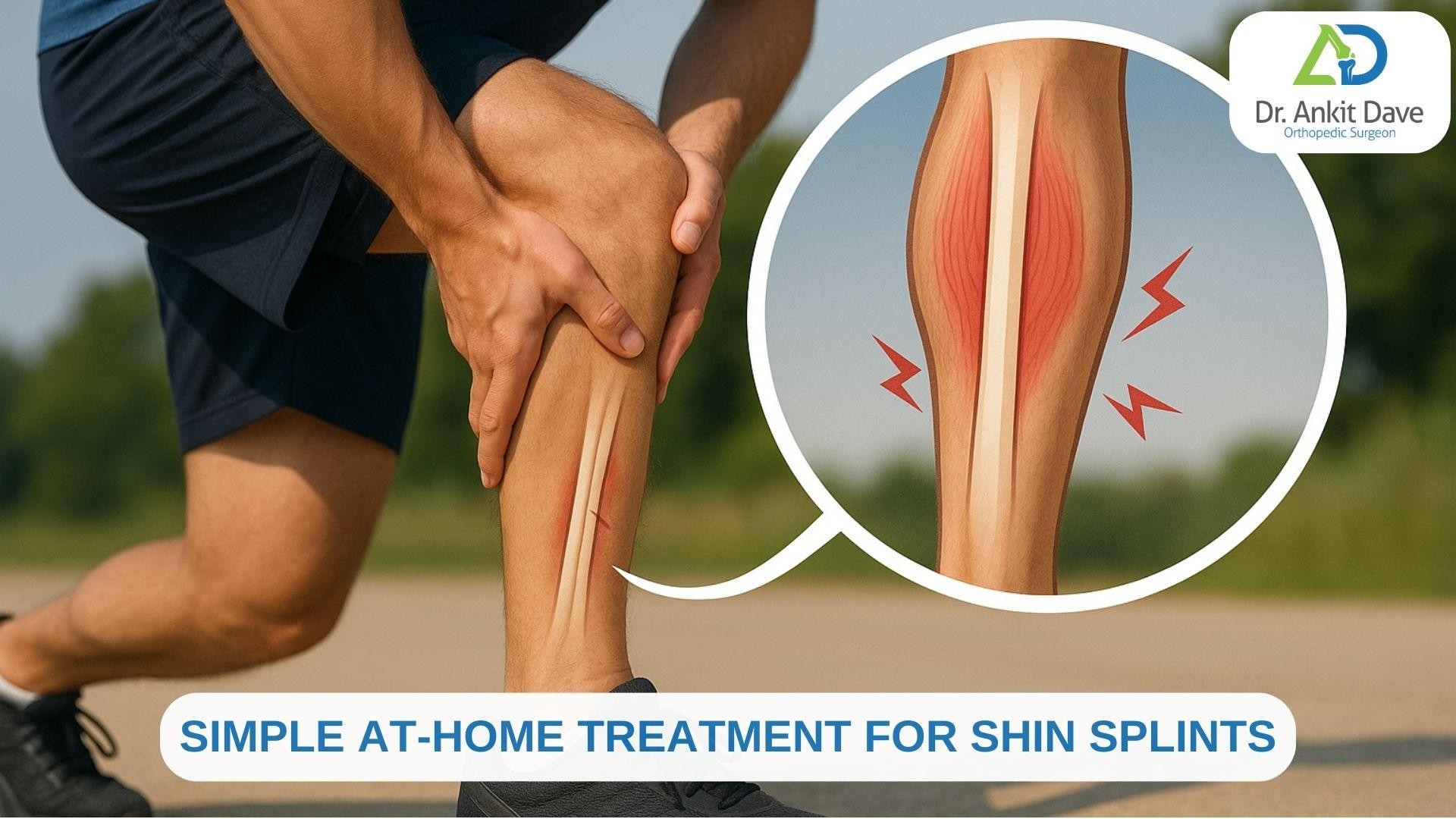
Read MoreShin splints are the curse of runners and field athletes. That dull, sometimes sharp pain along the inner edge of the shinbone can derail your training fast. It creeps in after a hard session or sudden increase in activity, and if you don’t deal with it properly, it sticks around.
The good news is that in most of the cases it can be handled at home with smart, consistent care. You don’t need expensive gear nor do you need to stop moving completely. Just the right steps, done daily.
Dr Ankit Dave, considered as one of the best doctors for arthroscopy surgery in Nairobi, shares tips on what works in shin splits.
1. Back Off, But Don’t Shut Down
The first instinct is to stop all activity. Don’t. Total rest isn’t the answer. Instead, cut back on the high-impact stuff. Running, jumping, sprints, either scale them down or swap them out for low-impact training like swimming or cycling. This keeps your fitness up while letting your legs recover.
You want to reduce the repetitive stress that triggered the shin splints, not put your feet up indefinitely.
2. Ice Like Clockwork
Ice is simple, but powerful. Right after activity, or when the pain flares, slap an ice pack on your shins for 15–20 minutes. Do this several times a day. It helps reduce inflammation and soothes the soreness.
Use a cloth to protect your skin. And stay consistent because ice works best when it becomes a routine, not a one-off.
3. Compression Works
Compression sleeves or wraps can reduce swelling and improve blood flow. They also give a slight support to the muscles around your shin, which can ease discomfort during daily activity.
“Wear them during the day or when you’re on your feet a lot. But don’t sleep in them.”, warns Dr Ankit Dave, one of the best orthopedic surgeons in Nairobi.
4. Stretch What’s Tight, Strengthen What’s Weak
Tight calves and weak ankles are often the silent culprits behind shin splints. Add this mini-routine to your daily schedule:
● Calf Stretch: Stand facing a wall. One foot back, heel flat. Lean forward. Hold 30 seconds per side.
● Toe Taps: Sit on a chair, heels on the ground, and tap your toes up and down fast for 30 seconds.
● Towel Scrunches: Barefoot, use your toes to scrunch up a towel on the floor. Do it for one minute per foot.
These small movements target the muscles and tendons that need balance. Over time, they build a better base for your legs.
5. Foam Roll Religiously
Foam rolling your calves and lower legs increases circulation and loosens tight fascia. Spend at least 5 minutes a day rolling out the muscles around your shins.
It might hurt at first, especially if the area is inflamed. Go gently. Focus on breathing and stay relaxed. It gets easier with time.
6. Check Your Shoes
Some of the best doctors for arthroscopy surgery in Nairobi say that worn-out or ill-fitting shoes are hidden causes of shin splints. Look at the soles. If they’re flat or uneven, it’s time to replace them. Most running shoes last about 300–500 miles.
Also, make sure the shoes match your foot type. Flat feet and high arches need different support. If in doubt, visit a running store or physio for advice.
7. Slowly Return to Running
When the pain eases and stays away for a few days, you can ease back into running. Start slow. Short distances, soft surfaces. Use a run-walk method if needed.
Pay attention to your body. The moment you feel that familiar ache creeping back in, stop and reassess. You don’t want to land back at square one.
When to See a Doctor
If the pain gets worse, spreads, or lingers after weeks of at-home care, it’s time to see a sports physio or doctor. Sometimes what feels like shin splints could be a stress fracture or compartment syndrome, which need professional treatment.
Final Thoughts
Shin splints aren’t a life sentence. With the right at-home strategy — reduce impact, ice consistently, support the muscles, and fix the root causes — most athletes bounce back stronger.
Respect the pain, but don’t fear it. And in case it gets worse, it’s always wise to consult the best orthopaedic surgeon in Nairobi.
Be smart, stay consistent, and you’ll be back on the field or road before you know it.