Frozen Shoulder That Is Not Improving: When to See the Best Orthopedic Surgeon in Nairobi
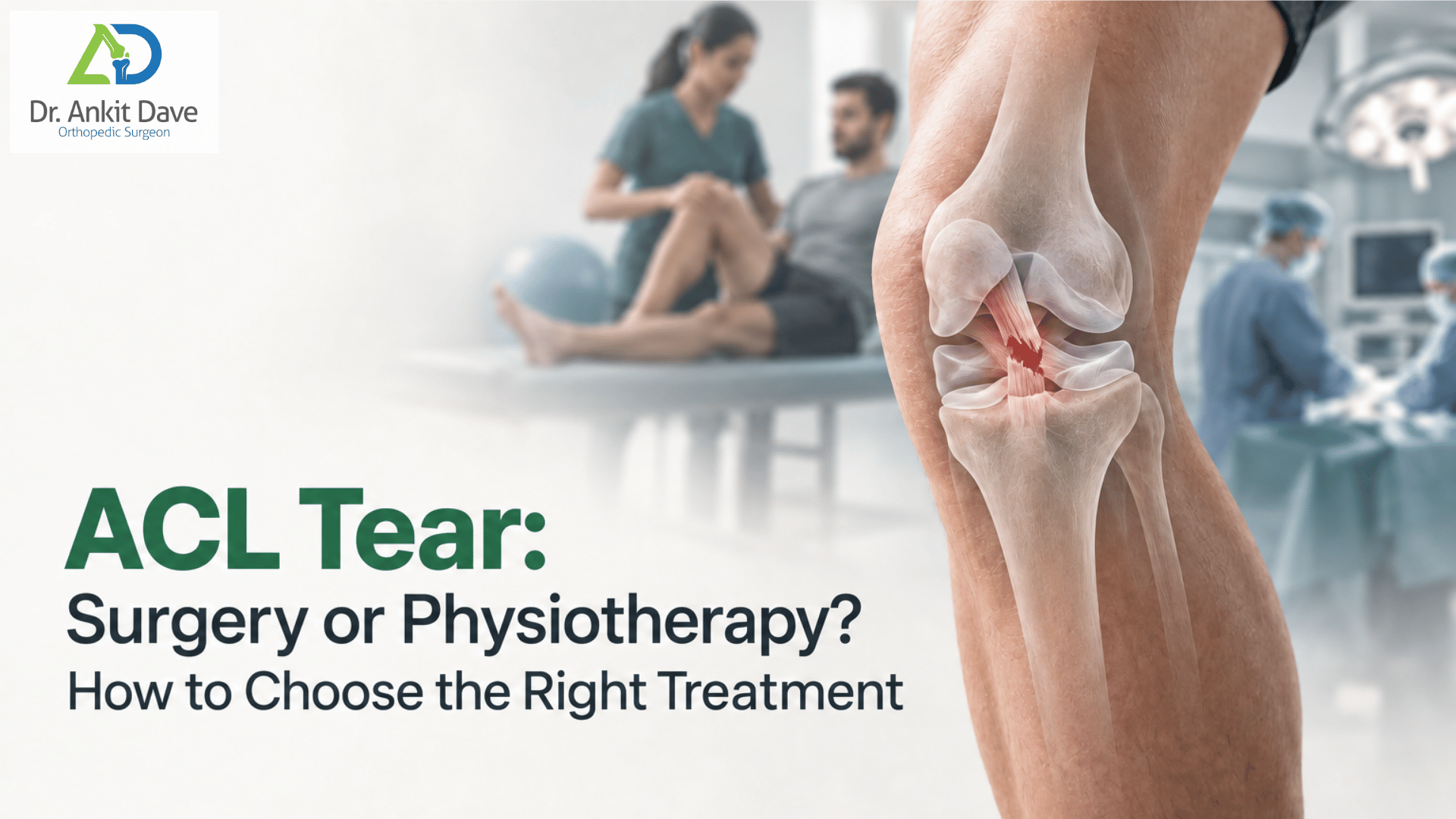
Read MoreAn ACL tear can sound like a straight path to surgery, but it is not that simple. Some knees remain stable enough to manage well with physiotherapy. Others keep giving way, especially during running, turning or sport, and may need reconstruction.
So the decision is not based on the MRI alone. What matters is how stable the knee feels, what activities you want to return to, whether other structures in the knee are injured, and how well the knee responds to rehabilitation. A consultation with the best Orthopedic Surgeon in Nairobi for your case should help weigh all of these factors before deciding whether surgery is actually needed.
What the ACL Actually does?
The anterior cruciate ligament sits inside the knee and controls forward and rotational movement of the shin bone relative to the thigh. It’s most often torn during a sudden pivot, a hard landing, or a direct blow to the knee, common in football, basketball, and similar sports that involve rapid direction changes. Once torn, the ligament doesn’t heal back together on its own the way a sprained ankle ligament might, which is exactly why treatment has to be planned rather than left to rest.
Why Some ACL Tears Are Managed Without Surgery?
A torn ACL means the knee has lost one of its main stabilising structures. But the muscles around the joint, especially the hamstrings and quadriceps, can sometimes take on part of that job if they are trained well.
That is the basis of non-surgical treatment: a structured physiotherapy programme focused on strength, balance and control around the knee.
This approach may suit:
- People whose usual activities do not involve much pivoting, cutting or jumping
- Older adults or those with lower activity demands
- People whose knee still feels stable during everyday movement despite the tear
Why Other ACL Tears Need Reconstruction
Surgery becomes the more reliable option when the knee gives way, buckles, or feels unstable during ordinary movement, not just sport. Repeated episodes of the knee “shifting” underneath a person, medically described as instability, tend to damage the meniscus and cartilage over time, turning a ligament problem into a joint problem.
Reconstruction is generally recommended when:
- The patient is young and active or plans to return to pivoting sports
- The knee is objectively unstable on examination, not just painful
- There’s an associated meniscus tear or cartilage injury alongside the ACL tear
- A first attempt at physiotherapy hasn’t resolved the instability
As the best doctor for sports injury in Nairobi, the assessment I rely on most isn’t the scan alone; it’s a physical stability test in the clinic. Two patients with an identical MRI finding can have very different knees on examination, and that difference often decides the treatment more than the imaging does.
What Does ACL Reconstruction Actually Involve?
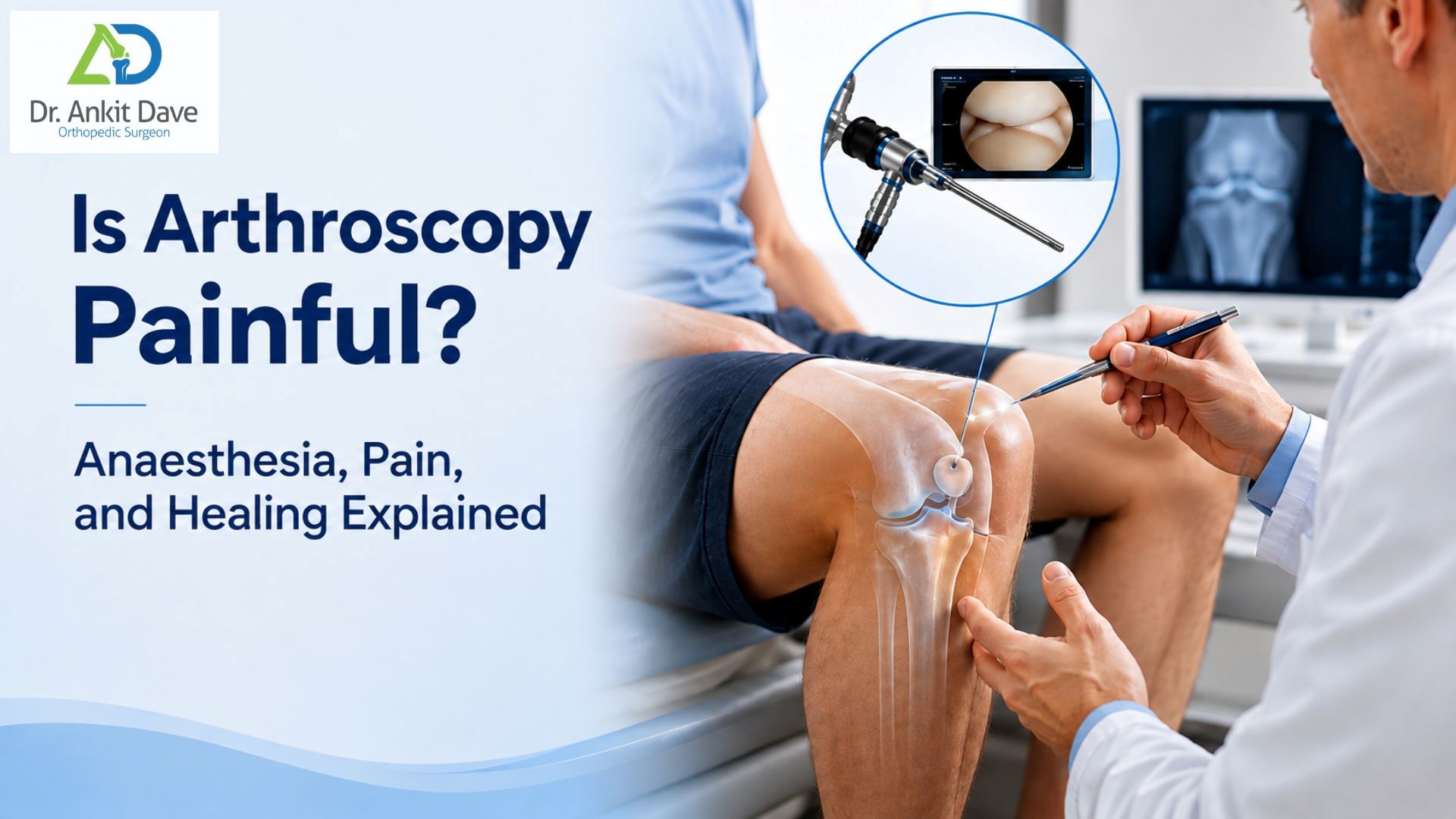
The torn ligament is not stitched back together. It’s replaced, usually using a graft taken from the patient’s own hamstring or patellar tendon, threaded through the knee arthroscopically and fixed in place of the original ACL. It’s a minimally invasive procedure done through small incisions, not an open surgery, and most patients go home within a day or two.
How Long Do You Take To Recover From An ACL Injury?
Physiotherapy-based management typically runs over 8 to 12 weeks, focused on progressive strengthening and functional retraining, with a return to full activity once strength and stability targets are met, not on a fixed calendar date.
Surgical reconstruction has a longer overall timeline. Walking without crutches usually returns within 2 to 3 weeks, but return to pivoting sports is generally not advised before 9 months, since the graft needs time to properly integrate and the surrounding muscles need to regain full strength and reaction speed. Rushing this stage is one of the more common reasons for a repeat tear.
ACL Tear Surgery Vs Physiotherapy: Which Treatment Works Best?
The decision isn’t just about the ligament.
Age, sport, occupation, and how the knee behaves day to day all factor into this more than most patients expect going in. A weekend jogger and a competitive footballer with the same MRI report may end up on completely different treatment plans, and that’s appropriate rather than inconsistent.
If a knee has given way more than once since the injury or hasn’t improved after a genuine course of physiotherapy, that’s the point to have it reassessed by an orthopedic surgeon rather than continuing to manage it at home.
Frequently Asked Questions
Can an ACL tear heal on its own without treatment?
No. The ligament doesn’t repair itself once torn. Physiotherapy can restore enough functional stability for many patients, but the ligament itself remains torn either way.
How do I know if I need ACL surgery or just physiotherapy?
The main indicator is instability, whether the knee buckles or gives way during normal activity, not just pain. A clinical examination is more useful for this than the MRI alone.
Is ACL reconstruction a major surgery?
It’s done arthroscopically through small incisions, not as open surgery. Most patients are mobile within a day and go home shortly after.
How long before I can play sports again after ACL surgery?
Getting back to sport usually takes time. For sports that involve cutting, pivoting or contact, many patients are not cleared before about nine months, and some need longer. The decision should depend on strength, knee control, confidence and return-to-sport testing rather than the calendar alone.
What if an unstable ACL tear is left untreated?
The main concern is repeated giving-way episodes. Each time the knee buckles, there is a chance of further injury to the meniscus or cartilage. If instability keeps happening, it is worth getting the knee reassessed rather than simply learning to work around it.